Systems Integration

IAS provides systems integration services that connect individual machines, vendor equipment, and customer-provided systems into a single, uninterrupted production operation. Vendor-supplied systems are only one piece of a larger production environment. To achieve a smooth, uninterrupted operation, those systems must work together, sharing information with surrounding equipment and integrating fully with the customer’s HMI and control systems.

IAS performs the work required to make these independent systems operate together reliably, ensuring coordinated movement, correct sequencing, and consistent system behavior across the entire production environment.

Process Integration

Process integration focuses on coordinating multiple machines and subsystems within the customer’s control system so they function as one unified process. IAS interfaces third-party equipment from different manufacturers, integrating vendor-provided programs into the customer’s control platform.

Most modern process integration relies on ethernet-based communications. IAS designs the ethernet network architecture, defines how each system connects, and builds the messaging required for coordination. For example, one system may need to confirm that downstream equipment has capacity available, while another must signal that it is ready to receive material.

In older systems, or in cases where ethernet communication is not supported, IAS designs equivalent hard-wired electrical signaling to ensure reliable system interaction. In all cases, the objective remains the same: seamless communication and dependable process flow.

Packing Integration

Packaging and material handling integration often involves coordinating vendor equipment with customer-owned systems such as conveyor belts, pneumatic systems, accumulation tables, or transfer mechanisms. These customer-provided systems frequently act as the link between vendor machines.

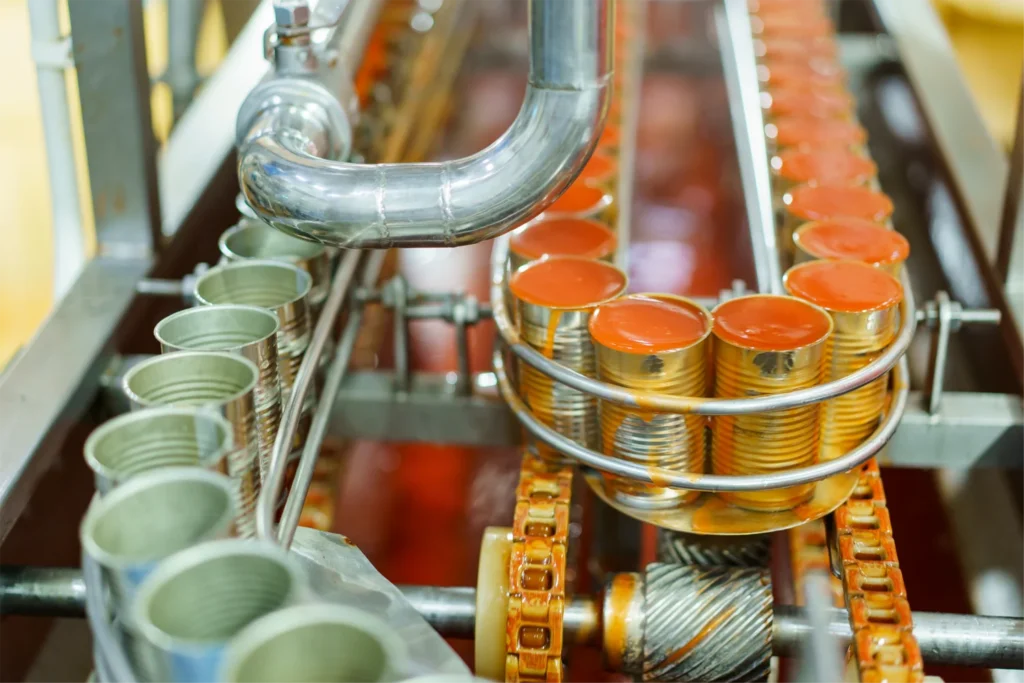
IAS integrates packing equipment so machines, conveyors, and downstream systems communicate effectively, maintain proper spacing, and respond appropriately to line conditions. This coordination helps prevent jams, reduce downtime, and maintain steady throughput from process to packaging.

By aligning communication, interlocks, and control logic, IAS ensures packaging systems respond correctly to real-time conditions across the production line.

On-Site Validation and Commissioning

Systems integration continues through on-site validation and commissioning. When IAS arrives on site to load software and activate systems, we also verify the electrical installation. Each device is checked to confirm proper wiring, functionality, and readiness for operation.

Once electrical verification is complete, IAS supports system startup, validating communications, message signals, sequencing, and HMI interaction. We confirm that all integrated systems operate together as intended and make adjustments as needed to ensure safe, reliable production.

This hands-on commissioning process provides confidence that the integrated system is ready for sustained operation and long-term performance.